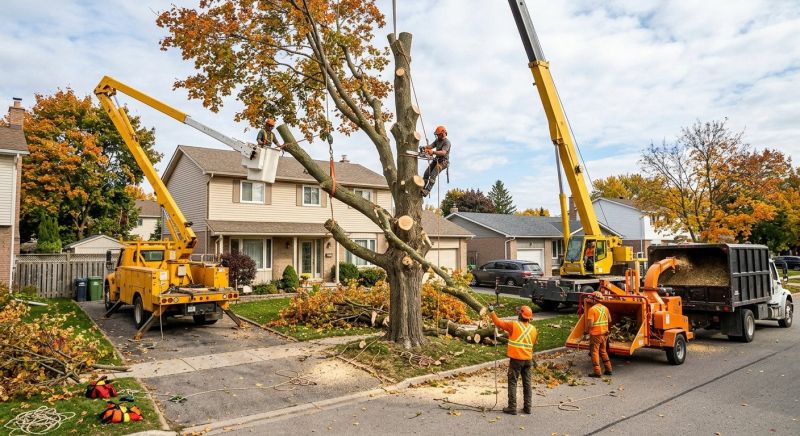
Cherry Tree Removal in Doylestown, PA
Cherry tree removal services involve the careful and efficient elimination of mature cherry trees that may pose safety risks, cause property damage, or no longer fit the landscape design. These projects typically include removing dead, diseased, or hazardous trees, as well as clearing space for new construction or landscaping. Property owners often want to understand the scope of the removal process, the tools used, and any potential impact on their surrounding landscape to ensure the work aligns with their property maintenance goals.
Before requesting cherry tree removal, homeowners should consider factors such as the size and location of the tree, proximity to structures or power lines, and any permits or regulations that may apply in the area. Understanding these details can help determine the best approach for safe and effective removal. Additionally, property owners may want to inquire about cleanup and stump removal options to maintain the aesthetics and safety of their yard after the tree is removed.
Many property owners in Doylestown, PA look into Cherry Tree Removal for repairs, replacements, upgrades, and appearance-related improvements.
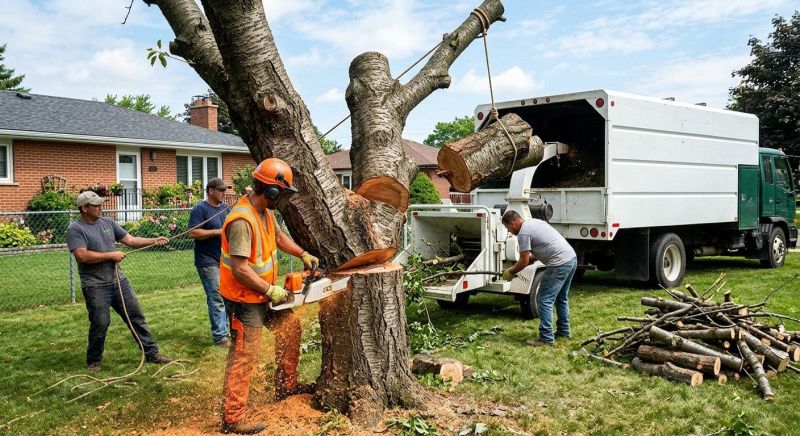
Reasons For Tree Removal
Trees may need removal due to disease, damage, or safety concerns on residential properties.
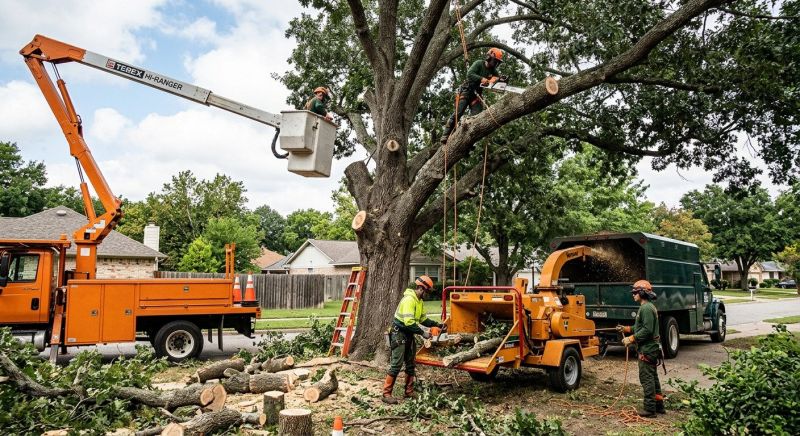
Tree Removal Process
Proper removal involves careful planning to prevent damage to nearby structures and landscaping.
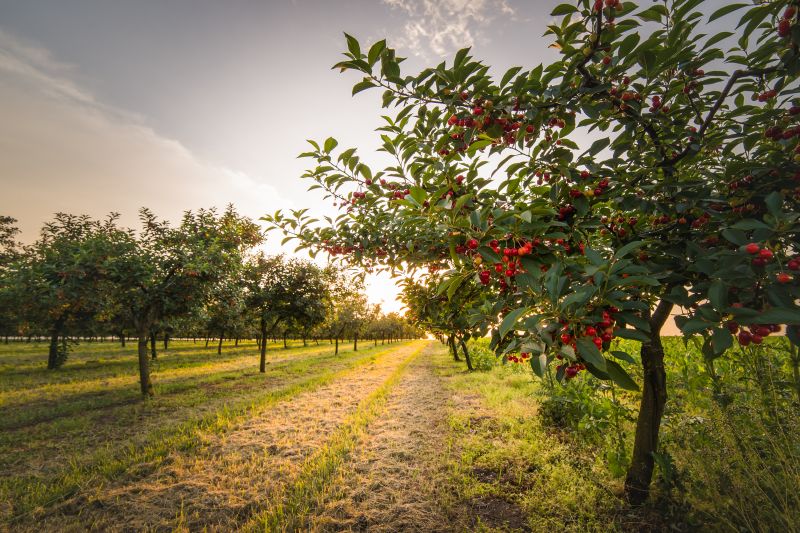
Post-Removal Cleanup
After removal, debris is cleared to restore the appearance and safety of the yard in doylestown, pa.
Cherry Tree Removal in Doylestown, PA

Cherry tree removal services involve the careful and efficient elimination of mature cherry trees that may pose safety risks, cause property damage, or no longer fit the landscape design. These projects typically include removing dead, diseased, or hazardous trees, as well as clearing space for new construction or landscaping. Property owners often want to understand the scope of the removal process, the tools used, and any potential impact on their surrounding landscape to ensure the work aligns with their property maintenance goals.
Before requesting cherry tree removal, homeowners should consider factors such as the size and location of the tree, proximity to structures or power lines, and any permits or regulations that may apply in the area. Understanding these details can help determine the best approach for safe and effective removal. Additionally, property owners may want to inquire about cleanup and stump removal options to maintain the aesthetics and safety of their yard after the tree is removed.
Many property owners in Doylestown, PA look into Cherry Tree Removal for repairs, replacements, upgrades, and appearance-related improvements.
Common Cherry Tree Removal Jobs
Cherry tree removal - safely eliminates unwanted or damaged cherry trees from residential properties.
Stump grinding - clears remaining stumps to prevent regrowth and improve yard appearance.
Selective pruning - reduces tree size while maintaining health and aesthetic appeal.
Emergency tree removal - addresses storm-damaged or hazardous cherry trees promptly.
Root removal - extracts invasive roots that threaten foundation or underground utilities.
Tree thinning - improves air flow and light penetration by selectively removing branches.
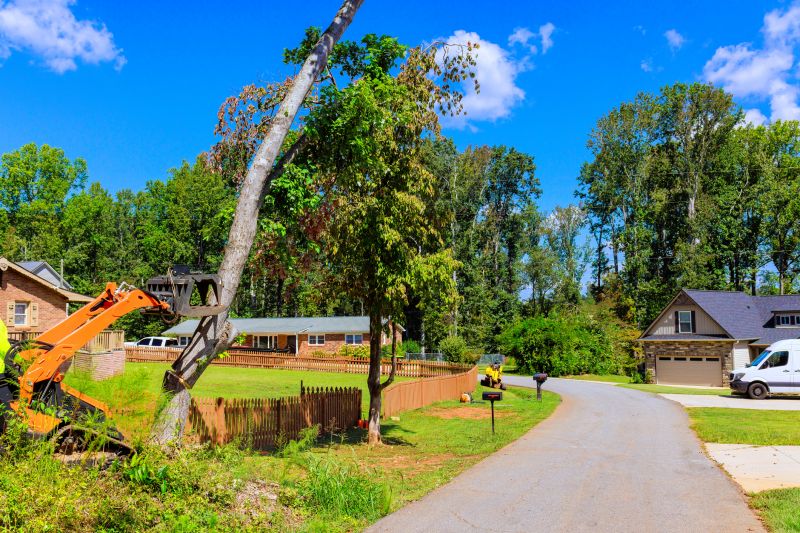
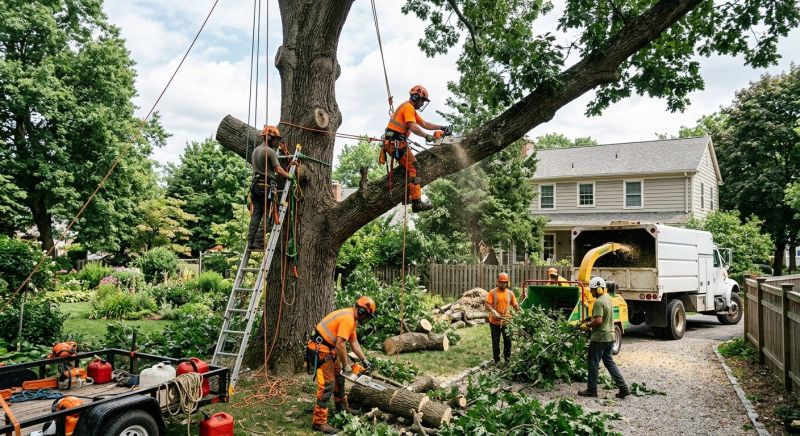
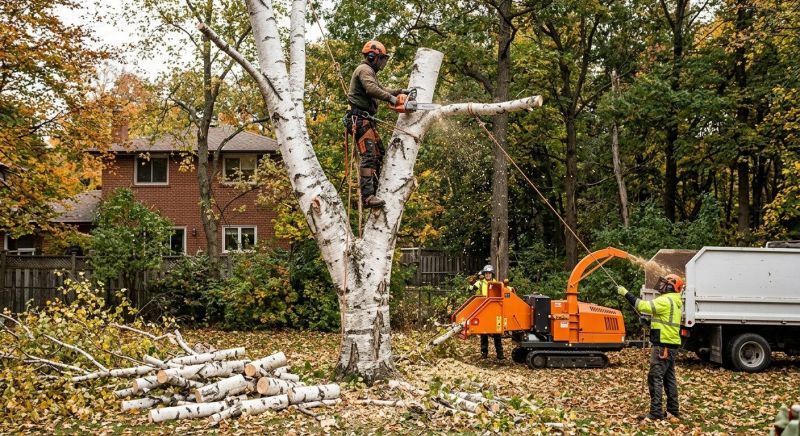
Cherry Tree Removal Questions
Why remove a cherry tree? Removing a cherry tree may be necessary if it poses safety risks, is diseased, or is causing damage to property structures.
When is the best time to remove a cherry tree? The optimal time for removal is during dormancy, typically in late winter or early spring before new growth begins.
What should be considered before cherry tree removal? Factors include the tree’s size, location, surrounding structures, and potential impact on the landscape.
Is professional removal safer than DIY? Yes, professional removal ensures proper techniques are used to prevent damage and ensure safety during the process.
Request Cherry Tree Removal in Doylestown, PA
Use the quote form on this page to share the basics of your project and request more information for the type of work you need.